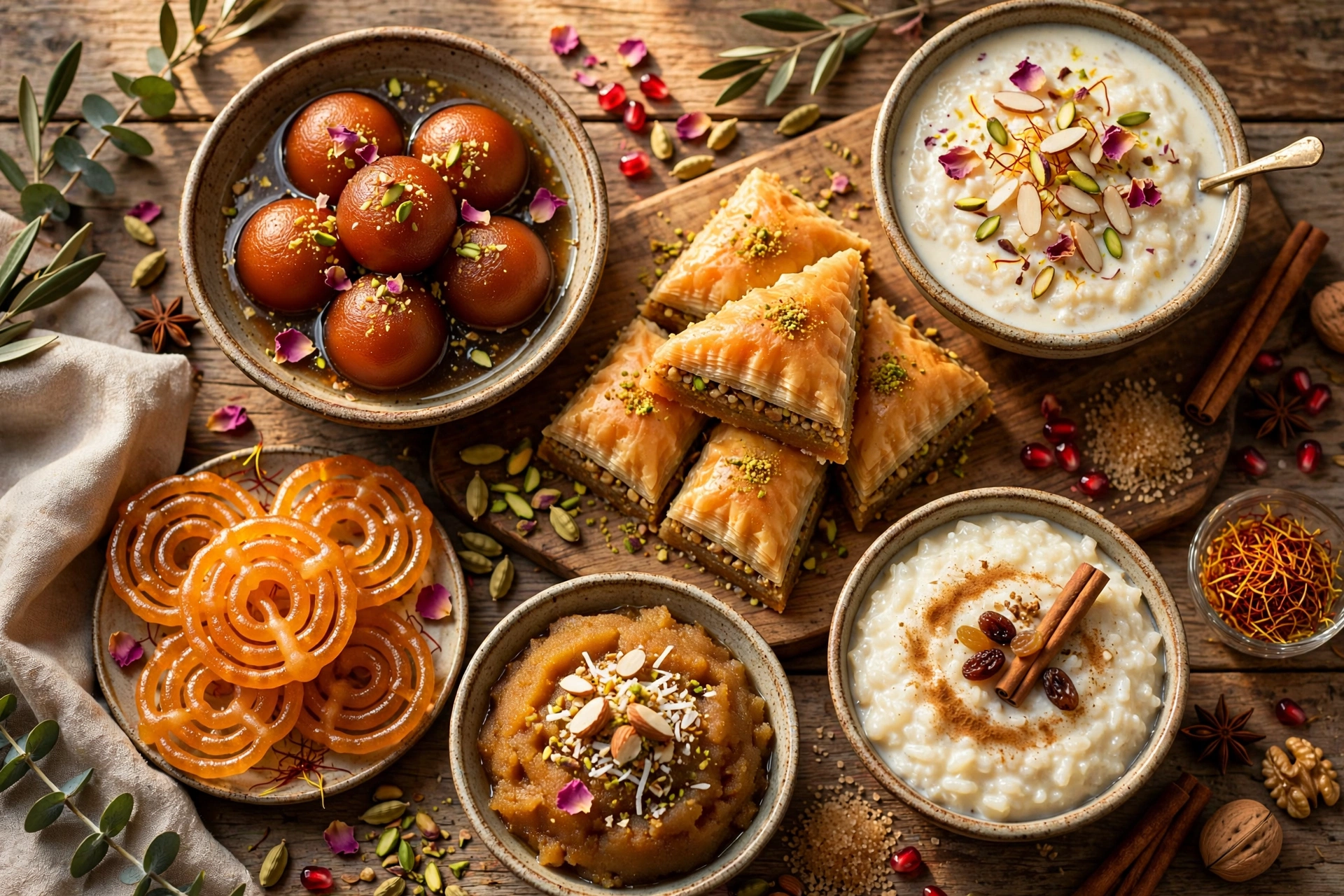
Traditional Desserts have a special place in food culture because they connect people with family, history, celebrations, and memories. Many classic sweet recipes have been prepared for generations and continue to be enjoyed today. These desserts often use simple ingredients such as flour, sugar, milk, cream, butter, fruit, nuts, spices, and chocolate.
One of the best things about Traditional Desserts is that every country and culture has its own special recipes. Some desserts are baked, while others are fried, steamed, chilled, or cooked slowly on the stove. Some are served at family gatherings, while others are prepared for weddings, festivals, holidays, and special occasions.
Traditional sweets do not always need complicated ingredients or advanced baking skills. Many can be prepared at home with simple kitchen tools. This makes them a wonderful choice for anyone who wants to explore classic recipes and bring old-fashioned flavors into a modern kitchen.
What Are Traditional Desserts?
Traditional Desserts are sweet foods that have been enjoyed within a culture, region, or family for many years. They are often connected with local ingredients, customs, celebrations, and cooking methods.
A traditional dessert can be anything from a simple fruit pudding to a rich pastry or a sweet fried treat. Some recipes are passed from grandparents to parents and then to children. This creates a strong emotional connection between food and family memories.
Traditional recipes can also change over time. Families may add new flavors or adjust ingredients while keeping the basic idea of the original dessert.
Regional desserts show how local history and ingredients can influence sweet foods. King Arthur Baking, for example, describes regional American desserts as part of local food history and identity.
Party Desserts: Easy and Delicious Treats for Every Celebration
Why Traditional Desserts Are Special
There is something comforting about an old recipe made with familiar ingredients. Traditional Desserts often remind people of childhood, family celebrations, holidays, and special meals.
These desserts are also special because they tell stories. A recipe may have been created in a particular region or become popular because families continued preparing it over many years.
Traditional desserts can also teach us about different cultures. By learning about desserts from different parts of the world, we can discover new ingredients, flavors, textures, and cooking techniques.
Another advantage is that many classic desserts are made with ingredients that are easy to find. Flour, sugar, eggs, milk, butter, fruit, rice, and nuts are common in many traditional recipes.
Classic Puddings and Creamy Desserts
Puddings have been popular in many cultures for a long time. They can be made with milk, cream, rice, eggs, sugar, fruit, or spices.
Rice pudding is one simple example. It combines cooked rice with milk and sugar and can be flavored with cinnamon, vanilla, cardamom, raisins, or nuts.
Bread pudding is another classic dessert. It is a practical way to turn leftover bread into a warm and comforting sweet dish.
Creamy desserts can also be served cold. Custards, chilled puddings, and creamy fruit desserts are especially enjoyable during warm weather.
For an attractive presentation, serve creamy desserts in small glass cups and add fresh fruit or a light sprinkle of nuts on top.
Traditional Fruit Desserts
Fruit has always been an important ingredient in many classic sweets. Apples, berries, peaches, bananas, mangoes, dates, and citrus fruits can all be turned into delicious desserts.
Fruit pies are a well-known example. A simple fruit filling can be placed inside pastry and baked until the fruit becomes soft and flavorful.
Cobblers, crisps, crumbles, and fruit puddings are also popular styles of Traditional Desserts. They usually combine cooked fruit with a simple topping made from flour, oats, butter, sugar, or pastry.
Classic fruit desserts are also useful when you want something naturally colorful. Fresh berries, sliced peaches, apples, or citrus can make a dessert look beautiful without complicated decoration.
King Arthur Baking also highlights classic fruit desserts such as pies, crisps, cobblers, tarts, and shortcakes in its dessert collections.
Traditional Cookies and Biscuits
Cookies are another important part of traditional baking. Different regions have developed their own styles using ingredients such as butter, sugar, flour, spices, seeds, nuts, and dried fruit.
Simple sugar cookies can be decorated for holidays and family celebrations. Shortbread is another classic option with a rich buttery texture.
Spiced cookies can include cinnamon, ginger, cloves, or nutmeg. These flavors are especially popular during colder months and festive seasons.
Traditional cookies are also easy to share. You can place them on a large serving plate or package them in small boxes as gifts.
Some historic cookie recipes have survived for hundreds of years. For example, King Arthur Baking has featured a caraway cookie recipe dating back to the 1790s, showing how old recipes can still inspire modern bakers.
Traditional Pastries
Pastries are often associated with special occasions and celebrations. They can be filled with fruit, cream, chocolate, nuts, or sweet cheese.
Cream puffs and éclairs are examples of classic pastries made from choux pastry. The pastry is cooked first and then baked before being filled or decorated.
Pastries can look complicated, but many basic pastry techniques become easier with practice.
For beginners, start with simple pastry shapes and easy fillings. Once you become comfortable, you can try more detailed designs.
Pâte à choux is particularly versatile and is used for classic desserts such as cream puffs and éclairs.
Traditional South Asian Desserts
South Asia has a rich variety of sweet foods. Desserts are often connected with weddings, religious festivals, family celebrations, and important occasions.
Jalebi is one well-known example. It is made by piping batter into hot oil in spiral shapes and then soaking the fried sweet in sugar syrup.
Other popular South Asian sweets include rice pudding, milk-based sweets, syrup-soaked treats, fried pastries, and nut-based desserts.
Spices such as cardamom, saffron, rose water, and cinnamon are often used to create distinctive flavors.
Jalebi has a long history across South Asia and is associated with celebrations including weddings and festivals.
When making these desserts at home, careful control of temperature and cooking time is important. This helps create the right texture and flavor.
Traditional European Desserts
European countries are known for many classic desserts. Different regions have developed their own recipes based on local ingredients and traditions.
Tarts, puddings, pastries, fruit desserts, biscuits, and custards are common examples.
Apple-based desserts are especially popular in several European and North American traditions. Apples can be baked with butter, sugar, cinnamon, pastry, or biscuit toppings.
Some traditional desserts were created because home cooks needed simple ways to use seasonal ingredients. This is one reason many old recipes remain practical today.
The history of classic fruit desserts also shows how different regions developed unique variations using similar ingredients.
Traditional Middle Eastern Sweets
Middle Eastern desserts often feature nuts, dates, honey, syrup, rose water, and aromatic spices.
Baklava is a famous example made with thin pastry layers, nuts, butter, and sweet syrup.
Date-based desserts are also popular because dates are an important ingredient in many Middle Eastern cuisines.
Other sweets may combine semolina, milk, cream, pistachios, coconut, or sesame.
These desserts are often served during family gatherings and celebrations. Their beautiful appearance also makes them suitable for special dessert tables.
If you want to try Middle Eastern-style sweets at home, begin with a simple recipe and focus on getting the texture and syrup balance right.
Traditional Mexican Desserts
Mexican desserts include a wide variety of sweet breads, cookies, puddings, pastries, and festive treats.
Pan dulce, which means sweet bread, is an important part of Mexican baking culture. Different types have different shapes, toppings, and flavors.
Some traditional Mexican sweet breads are colorful and decorative, while others are simple and lightly sweet.
Pan de Muerto is another traditional sweet bread associated with Día de los Muertos. Conchas are also popular sweet breads with their recognizable shell-like topping.
These examples show how Traditional Desserts can become an important part of cultural identity.
Traditional Chocolate Desserts
Chocolate is now used in desserts around the world, but classic chocolate recipes remain extremely popular.
Chocolate pudding, chocolate mousse, chocolate cookies, truffles, brownies, and chocolate pastries are all easy ways to enjoy this flavor.
For a traditional-style dessert table, chocolate treats can be served in small portions. This allows guests to enjoy several different sweets.
You can also combine chocolate with classic ingredients such as nuts, berries, cream, caramel, coffee, or orange.
For an elegant appearance, use simple chocolate shavings, cocoa powder, or fresh berries instead of heavy decoration.
Traditional Desserts for Family Gatherings
Family gatherings are perfect occasions for homemade Traditional Desserts.
Instead of making one complicated dessert, prepare two or three simple options. For example, you could serve a fruit dessert, a creamy pudding, and a plate of traditional cookies.
This gives everyone a choice and makes the dessert table more interesting.
Family members can also participate in preparation. Children can help decorate cookies, measure ingredients, or arrange fruit.
Cooking together can make the recipe more meaningful because the experience becomes part of the family memory.
Traditional Desserts for Holidays
Many holidays have their own special desserts. These recipes may only be prepared once or twice a year, which makes them even more exciting.
Holiday desserts can include spiced cookies, fruit pies, puddings, sweet breads, pastries, and nut-based sweets.
Use seasonal ingredients whenever possible. Apples, pears, citrus, berries, dates, nuts, and warm spices can give desserts a festive feeling.
You can also decorate traditional sweets with simple ingredients such as powdered sugar, chopped nuts, dried fruit, or fresh herbs.
How to Make Traditional Desserts at Home
Making classic desserts at home does not have to be difficult. Start by selecting a recipe with simple ingredients and clear instructions.
Read the complete recipe before starting. Measure your ingredients carefully and prepare your tools in advance.
If the recipe includes baking, make sure your oven is properly preheated. If it involves sugar syrup or frying, pay close attention to temperature.
Do not rush the process. Traditional recipes often depend on small details such as cooking time, texture, temperature, and resting time.
With practice, you can become more comfortable making classic sweets.
How to Make Traditional Desserts Look Beautiful
Presentation can make homemade desserts more attractive without changing the traditional recipe.
Use simple white plates for colorful desserts. Add fresh fruit, nuts, powdered sugar, chocolate shavings, or a small amount of cream.
For individual desserts, use small glass cups or elegant serving dishes.
A traditional dessert can also look modern when served in smaller portions.
The goal is to keep the character of the original recipe while presenting it in a clean and attractive way.
Tips for Better Traditional Desserts
Follow these simple tips when preparing Traditional Desserts:
- Read the recipe completely before starting.
- Measure ingredients carefully.
- Use fresh ingredients whenever possible.
- Do not overmix cake or pastry mixtures.
- Follow cooking temperatures carefully.
- Allow baked desserts to cool properly.
- Store creamy desserts in the refrigerator.
- Keep fried sweets away from excess moisture.
- Use seasonal fruit for better flavor.
- Decorate simply instead of covering the original dessert.
These small steps can make a big difference.
Why We Should Keep Traditional Recipes Alive
Traditional recipes are more than instructions for making food. They can carry memories, family traditions, and cultural stories.
When people continue making old recipes, they help keep those traditions alive.
You can also write your own family recipes in a notebook or digital document. Add notes about who originally made the recipe and when your family usually prepares it.
This can turn a simple dessert recipe into a valuable family memory.
At the same time, traditional recipes can be adapted carefully. You can reduce sweetness, change portion sizes, or use modern presentation while keeping the main character of the dessert.
Easy Traditional Desserts for Beginners
If you are just starting, choose desserts with simple methods.
Good beginner choices include:
- Rice pudding
- Fruit crumble
- Simple cookies
- Bread pudding
- Custard
- Fruit tart
- Shortbread
- Chocolate pudding
- Simple pastries
- Baked apples
These recipes can help you learn important skills such as mixing, baking, cooking, measuring, and presentation.
Once you feel confident, you can move on to more advanced pastry and dessert recipes.
Final Thoughts
Traditional Desserts bring together flavor, history, family, and culture. From creamy puddings and fruit pies to cookies, pastries, chocolate treats, and South Asian sweets, classic desserts offer something for everyone.
The beauty of these recipes is that they do not need to be complicated. Simple ingredients and careful preparation can create delicious results.
Whether you are making a dessert from your own family tradition or trying a classic recipe from another culture, take time to enjoy the process.
Traditional baking is not only about creating something sweet. It is also about preserving memories, sharing food, and discovering the stories behind the recipes.
So choose a classic recipe, gather your ingredients, and bring the timeless taste of Traditional Desserts into your kitchen.